
Hair Transplant in Austin by a Fellowship-Trained Surgeon
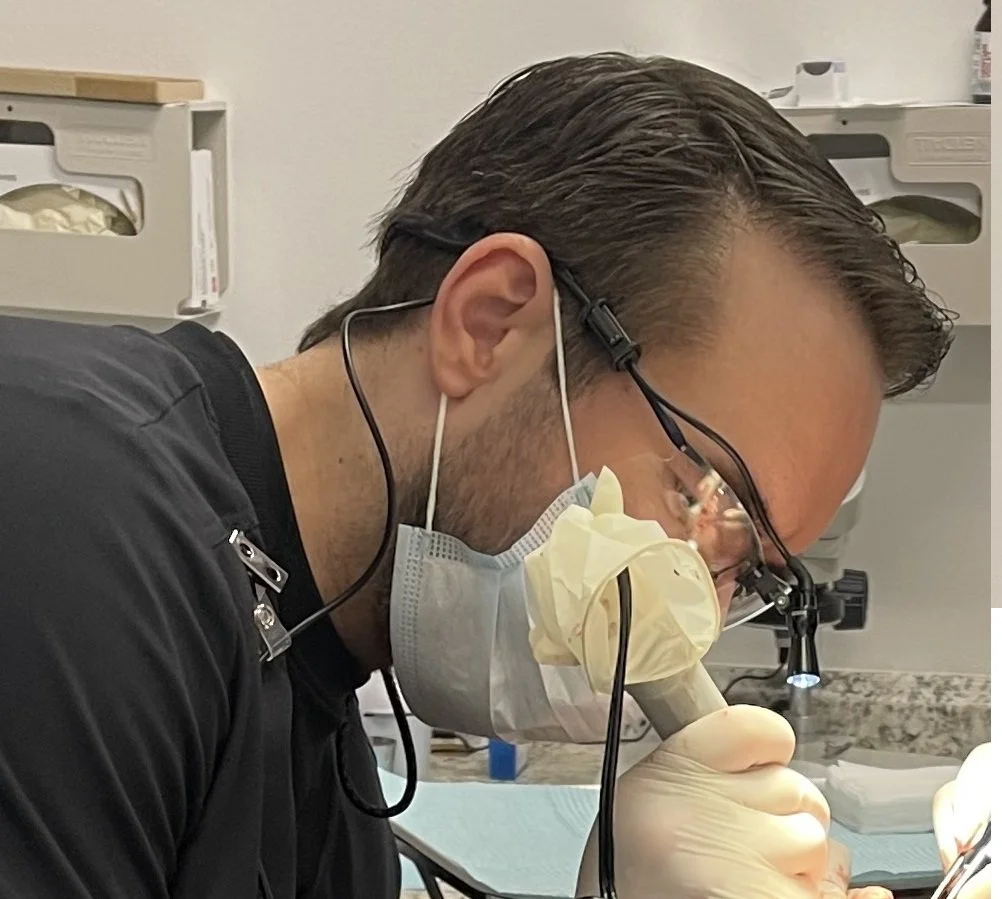
Austin native Dr. Hays has transplanted over 1,000,000 hairs, performing the follicular unit harvest, creating recipient sites, and designing the hairline personally instead of using technicians. This ensures tailored surgical plans and consistent results. If you’re looking for a hair transplant in Austin, look no further. About Dr. Hays
FUE vs. FUT Hair Transplant in Austin: Which is Right for You?
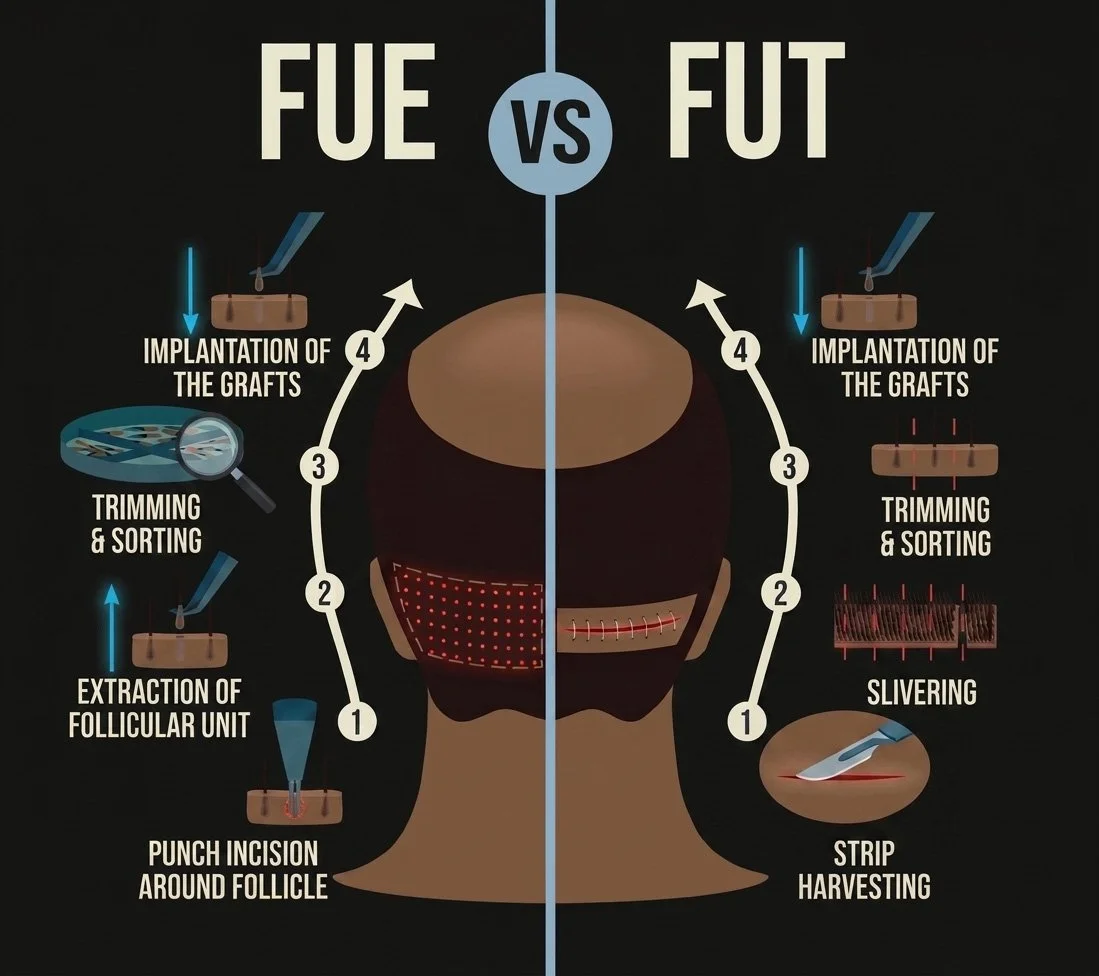
Both FUE and FUT move permanent, hair-loss-resistant follicles from the back and sides of your scalp to thinning areas. Both can create a natural-looking hairline, and the results are permanent. The difference is how the donor hair is harvested, and that affects scarring, hairstyle flexibility, and how many grafts can be moved in one session.
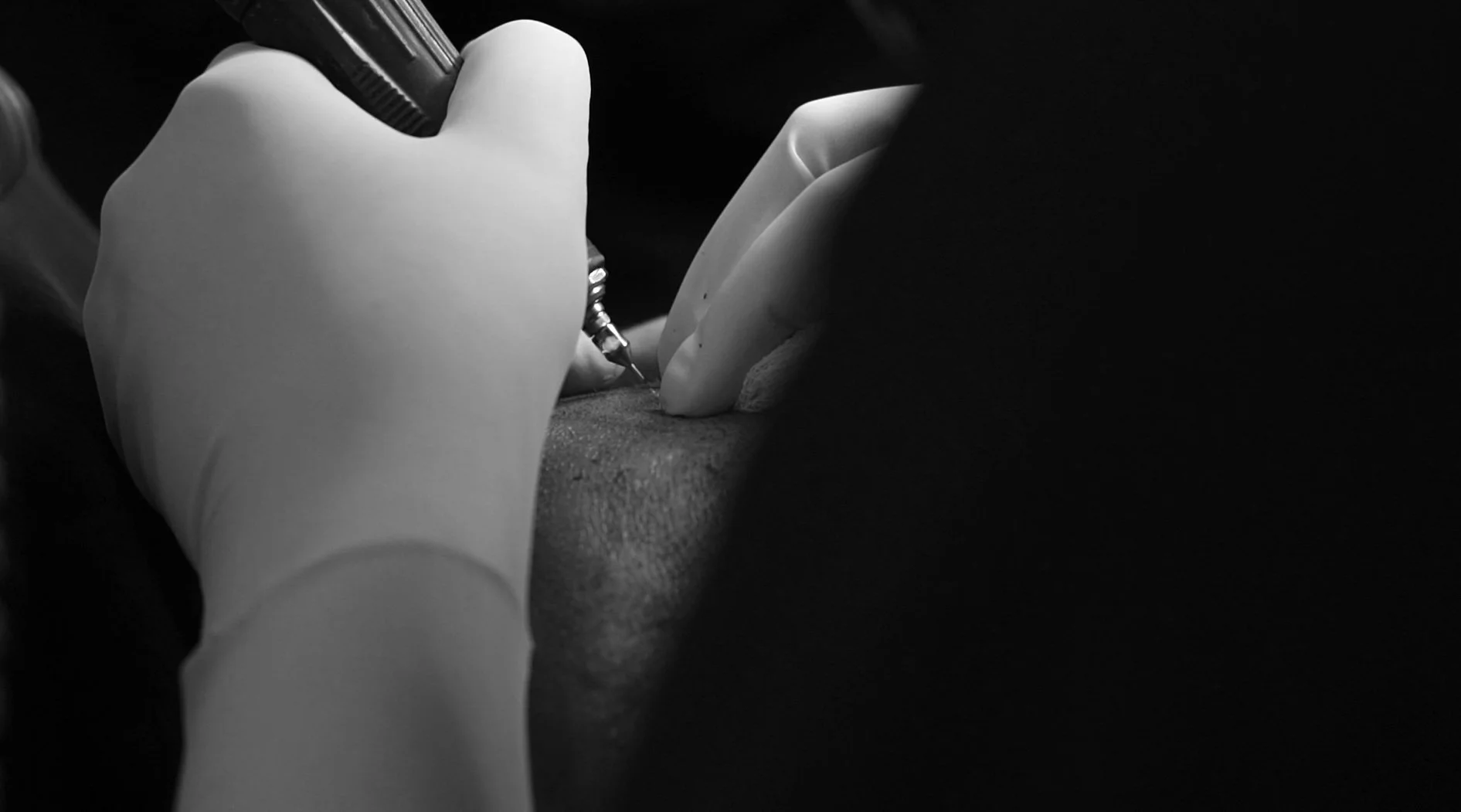
FUE (Follicular Unit Extraction) removes follicles one at a time with a tiny punch tool. It leaves small, scattered dot scars rather than a linear scar, requires no stitches in the donor area, and is often preferred by patients who wear their hair short. It can also draw from areas beyond the scalp, such as the beard, when donor hair is limited. Learn more about FUE hair transplant in Austin.
FUT (Follicular Unit Transplantation) removes a thin strip of scalp, which is dissected under a microscope into individual grafts. It leaves a single fine linear scar that is typically concealed by surrounding hair, and it can often deliver more grafts in a single session, which helps patients with more advanced hair loss. Learn more about FUT hair transplant in Austin.
Neither method is scarless, and neither is better for everyone. The right choice depends on your donor hair, how much hair loss you have, your hairstyle, and your long-term goals. As an Austin surgeon who personally harvests the grafts, creates the recipient sites, and designs the hairline, Dr. Hays will recommend the approach that fits you at your consultation. Book a virtual or in-person consultation.
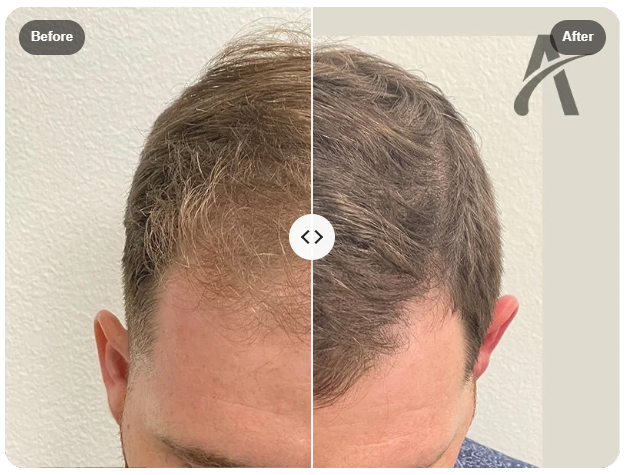
Austin Hair Transplant Before & After Results
-
Both methods relocate permanent hair follicles from the back and sides of the scalp. FUE removes follicles individually with a tiny punch tool and leaves small, scattered dot scars. FUT removes a thin strip of scalp and leaves one fine linear scar, usually hidden by surrounding hair. FUT can often provide more grafts in a single session. Dr. Hays will recommend the better fit for you during your consultation. Compare FUE and FUT in detail.
-
Transplanted follicles come from areas of the scalp that are naturally resistant to pattern hair loss, so they typically keep growing for life. Hair you haven’t had transplanted can continue to thin over time, which is why your long-term plan matters. At your consultation, we’ll discuss ways to slow or stop further loss alongside surgery.
-
Cost depends mainly on the number of grafts you need, but a typical price is $4-5 per follicular unit. A follicular unit will contain between 1 and 4 hairs each depending on how dense the donor area is. We’ll give you a personalized plan and pricing at your consultation. You can also review financing options.
-
Good candidates generally have enough healthy donor hair, a pattern of hair loss that has begun to stabilize, and realistic goals for the result. Because every scalp is different, Dr. Hays evaluates your donor area, hair characteristics, and long-term loss pattern before recommending surgery.
-
Healing varies by person and technique. Redness and small scabs in the treated areas typically settle over the first couple of weeks, and FUT patients have sutures removed at a follow-up visit. Transplanted hairs commonly shed in the first weeks, then new growth begins over the following months, with full results developing gradually over about a year or more. Dr. Hays will give you a timeline specific to your procedure.
-
Yes. Dr. Hays personally performs the follicular unit harvest, creates the recipient sites, and designs your hairline rather than delegating those steps to technicians. This keeps your surgical plan tailored and your results consistent. Meet Dr. Hays.
-
Yes. Hair can be transplanted to the beard and eyebrows to address patchy areas or loss, using either FUE or FUT harvesting. Because individual hairs are selected, they can be matched to blend with the recipient area. Learn about beard transplants in Austin.
-
Yes. We offer both virtual consultations and in-person visits at our downtown Austin office (401 W 5th St, Suite 870). We’ll discuss your hair loss history, ways to slow it, and surgical options, and you can share your goals so we can build a plan. Book your consultation.
Hair Transplant in Austin: Frequently Asked Questions
Beard & Eyebrow Transplants in Austin
Hair can also be transplanted to the beard and eyebrows, creating a permanent solution to patchy beards or eyebrow loss. The hair can be harvested with either the FUE (punch) or FUT (strip) method and moved to the recipient sites. Due to this, only specific hairs can be selected that would blend with the recipient area best.
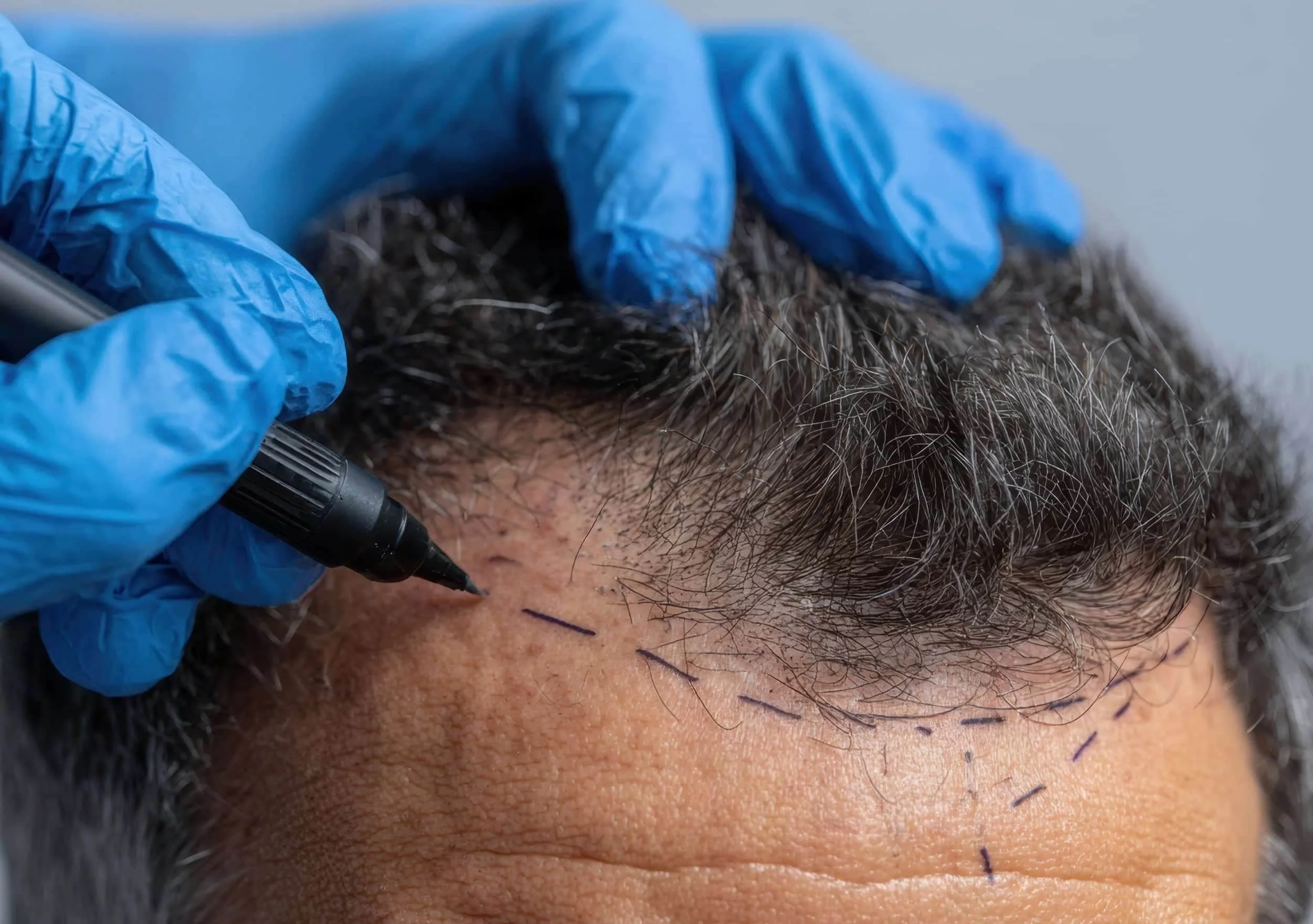
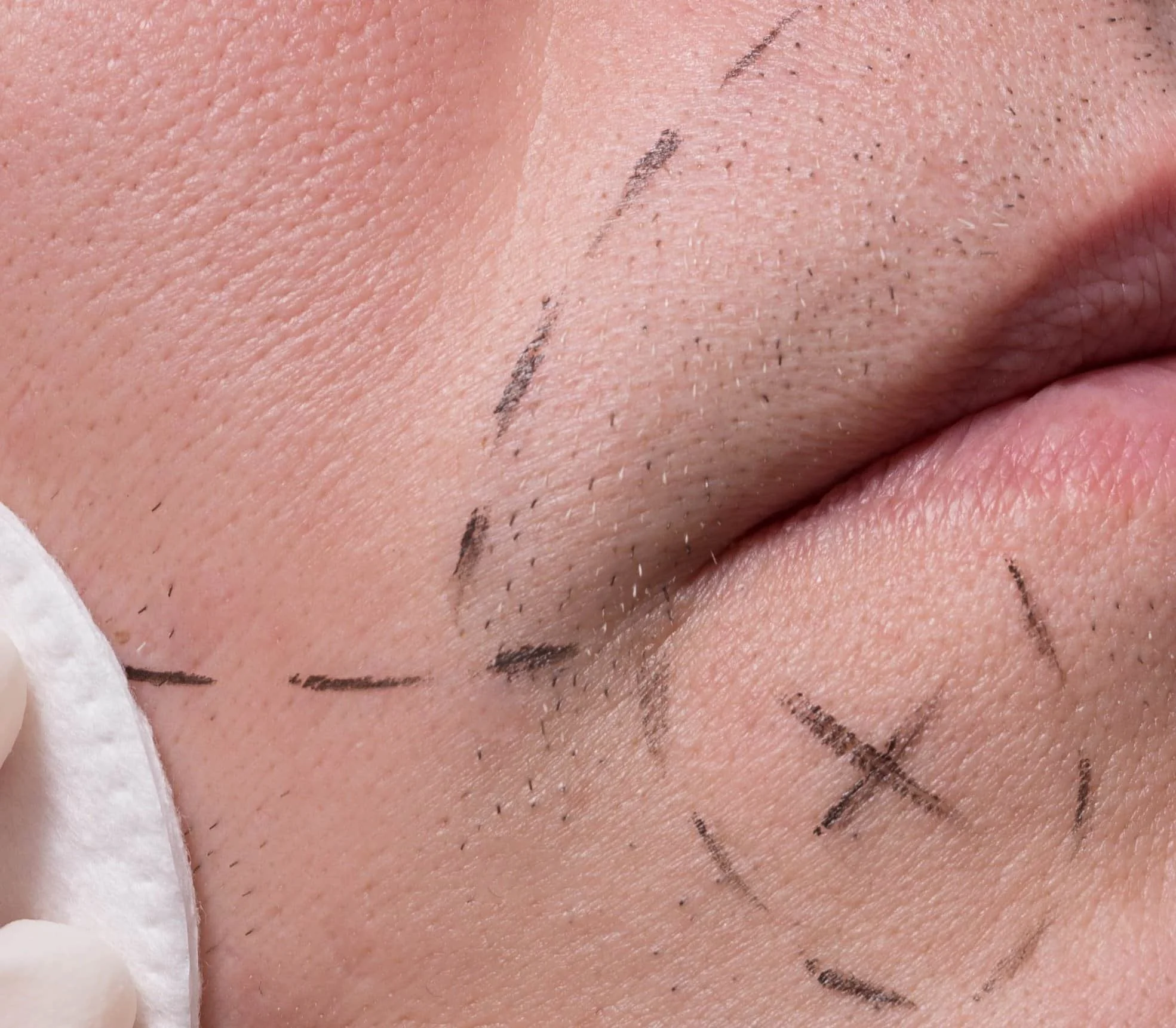
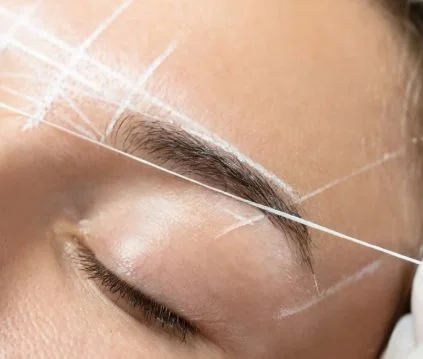
A hair transplant works by moving your own permanent follicles from the back and sides of the scalp to thinning areas. That means success depends on what you have to work with, how your hair loss is behaving, and what you hope to achieve. You may be a good candidate if the following describe you.
You have enough healthy donor hair.
Donor hair is a limited resource, so the density and quality of the hair at the back and sides of your scalp largely determine how much can be moved. Dr. Hays examines your donor area carefully so he can plan with future needs in mind rather than using it all at once.
Your hair loss is understood and reasonably stable.
Pattern hair loss tends to progress over time, and transplanted hair doesn’t prevent your native hair from continuing to thin. If you’re still losing hair rapidly, a stabilizing plan may come first, or alongside surgery, to protect your long-term result.
You have a clear diagnosis.
Not all hair loss is the same. Some conditions, such as certain scarring or patchy forms of hair loss, can affect whether surgery is appropriate. A proper evaluation identifies what’s causing your hair loss before any procedure is recommended.
Your goals are realistic.
A transplant can restore a natural-looking hairline and add meaningful density, but results are shaped by your donor supply and the area being treated. A good plan sets expectations honestly, so the outcome matches what’s achievable for you.
You’re in good general health.
Your overall health, medications, and healing tendencies all factor into safety and recovery, and we’ll review them with you.
Who Is a Good Candidate for a Hair Transplant in Austin?
Your donor area, the back and sides of the scalp where permanent hair grows, is the only supply of transplantable hair you have. Once it’s used, it can’t be replaced. Hair loss also usually continues for years after a first procedure, so a good surgical plan looks decades ahead, not just at what you want to see in the mirror next year.
That’s why donor preservation is central to how Dr. Hays plans every case.
Harvesting is spread out, not concentrated.
Taking too much from one spot can leave thin, visible patches, especially if you wear your hair short. Grafts are taken evenly across the safe donor zone so the area stays natural-looking after healing.
Only permanent hair is harvested.
Hair near the edges of the donor zone can thin over time, just like the hair you’re trying to replace. Staying within the stable donor area helps ensure your transplanted hair lasts.
The hairline is designed conservatively.
A hairline that’s too low or too aggressive can use up grafts you’ll need later and look unnatural as you age. Dr. Hays designs your hairline personally, aiming for a result that looks right now and still makes sense in 10 or 20 years.
Your future hair loss is part of the plan.
If you’re young or your hair loss is still progressing, a plan that restores everything at once can leave you with a transplanted island of hair surrounded by thinning. We discuss ways to slow or stop further loss alongside surgery, and we plan graft placement with that progression in mind.
The right technique protects the donor area.
Both FUE and FUT can be done well, and each uses the donor area differently. FUT removes a single strip, and FUE removes follicles individually, which also makes it possible to draw from the beard or body when scalp donor hair is limited. Dr. Hays can explain which approach best preserves your supply in your situation.
One surgeon, start to finish. Dr. Hays personally performs the follicular unit harvest rather than handing it to technicians. Because the same surgeon who plans your case also removes your grafts, decisions about where and how much to take stay tied to your long-term outcome. With over 1,000,000 hairs transplanted, he’s well placed to make those calls.
What this means for you
A more natural-looking donor area after healing, even with short hair
A transplant that still looks natural as your hair loss progresses
Options left open if you want a future procedure
Ready to plan for the long term?
A consultation is the best time to talk about your donor supply and what’s realistic over the years ahead. Dr. Hays will examine your donor area, discuss ways to slow hair loss, and map out your options. Virtual and in-person visits are available at our downtown Austin office. Book your consultation.
Protecting Your Donor Area: Planning a Hair Transplant for the Long Term
Book Your Austin Hair Transplant Consultation
Discuss your options with Dr. Hays. We offer convenient virtual or in-person consultations at our downtown Austin location. We will discuss the hair loss you have experienced and ways to stop or slow down the hair loss. We will also discuss surgical options to restore your hair, including FUE, FUT, and donor selection. This will be an opportunity for you to share your goals and for us to create a plan to achieve them.
OR
Send us an email